© 2024. Civil Defense Department, Government of Rajasthan. All Rights Reserved
Website last update: 09/08/2025 16:30:47


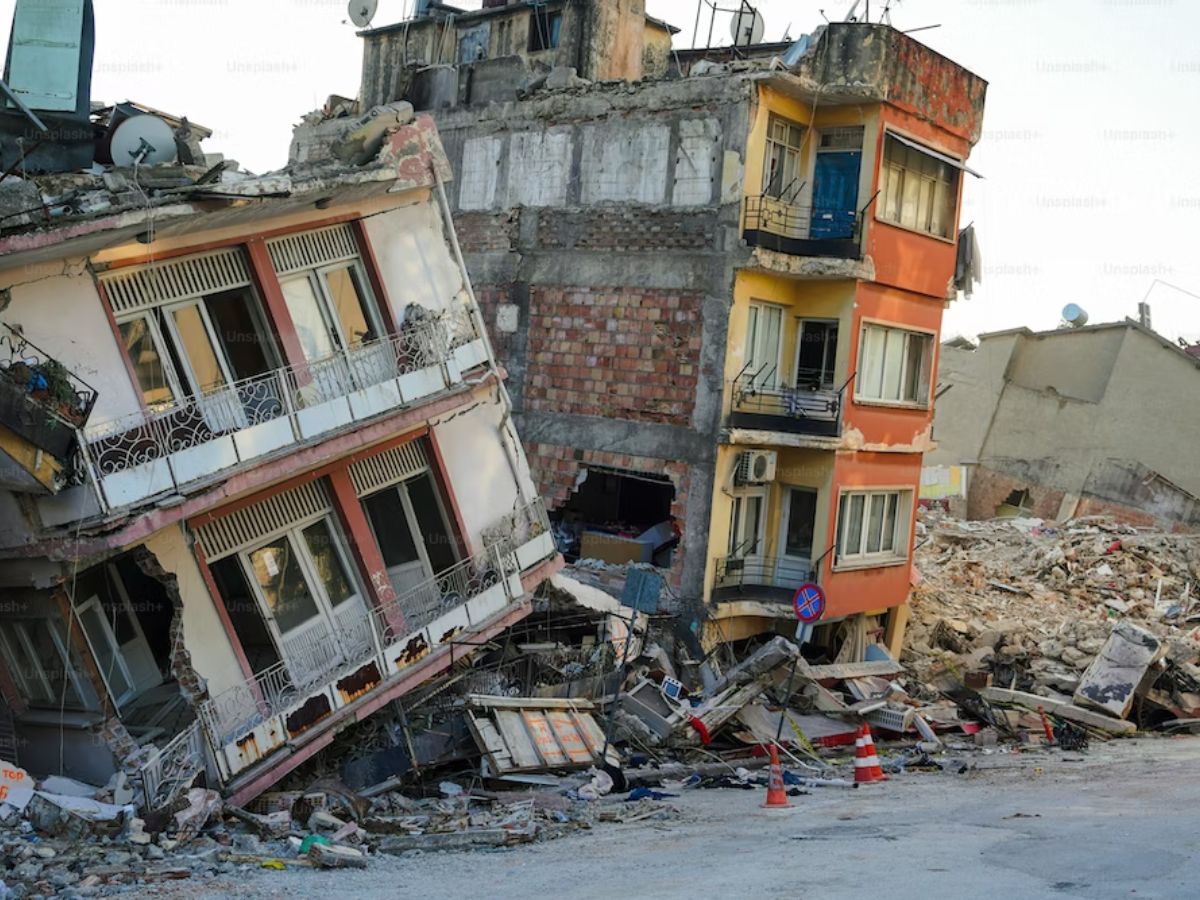
What to Do Before an Earthquake :-
• Repair deep plaster cracks in ceilings and foundations. Get expert advice if there are signs of structural defects.
• Anchor overhead lighting fixtures to the ceiling.
• Follow BIS codes relevant to your area for building standards
• Fasten shelves securely to walls.
• Place large or heavy objects on lower shelves.
Have a disaster emergency kit ready :-
• Battery operated torch with extra batteries
• Battery operated radio
• First aid kit and manual
• Emergency food (dry items) and water (packed and sealed)
• Candles and matches in a waterproof container
• Knife
• Chlorine tablets or powdered water purifiers
Develop an emergency communication plan :-
• In case family members are separated from one another during an earthquake (a real possibility during the day when adults are at work and children are at school), develop a plan for reuniting after the disaster.
• Ask an out-of-state relative or friend to serve as the 'family contact' after the disaster; it is often easier to call long distance. Make sure everyone in the family knows the name, address, and phone number of the contact person.
Help your community get ready :-
• Publish a special section in your local newspaper with emergency information on earthquakes. Localize the information by printing the phone numbers of local emergency services offices and hospitals.
• Conduct week-long series on locating hazards in the home.
• Work with local emergency services and officials to prepare special reports for people with mobility impairment on what to do during an earthquake.
What to Do During an Earthquake :-
Stay as safe as possible during an earthquake. Be aware that some earthquakes are actually foreshocks and a larger earthquake might occur. Minimize your movements to a few steps that reach a nearby safe place and stay indoors until the shaking has stopped and you are sure exiting is safe.
If indoors -
• DROP to the ground; take COVER by getting under a sturdy table or other piece of furniture; and HOLD ON until the shaking stops. If there is no a table or desk near you, cover your face and head with your arms and crouch in an inside corner of the building.
• Protect yourself by staying under the lintel of an inner door, in the corner of a room, under a table or even under a bed.
• Stay away from glass, windows, outside doors and walls, and anything that could fall, (such as lighting fixtures or furniture).
If outdoors -
• Do not move from where you are. However, move away from buildings, trees, streetlights, and utility wires.
• If you are in open space, stay there until the shaking stops. The greatest danger exists directly outside buildings; at exits; and alongside exterior walls. Most earthquake-related casualties result from collapsing walls, flying glass, and falling objects.
If in a moving vehicle -
• Stop as quickly as safety permits and stay in the vehicle. Avoid stopping near or under buildings, trees, overpasses, and utility wires.
• Proceed cautiously once the earthquake has stopped. Avoid roads, bridges, or ramps that might have been damaged by the earthquake.
If trapped under debris -
• Do not light a match.
• Do not move about or kick up dust.
• Cover your mouth with a handkerchief or clothing.